A Boiler, a Chippy and a Very Small Yacht: Auditing the £1 Daydream Behind the Scratch
There is a peculiar moment just before a £1 scratchcard meets a coin. Your thumb hovers. The kettle clicks off in the background. And your brain — bless it — has already booked a fortnight in Cornwall, paid off the boiler and put a deposit down on a chip shop in Whitby. All before you have scraped the first silver panel.
This is the fantasy jackpot: the imaginary spending spree that arrives free with every low-stakes card. It costs nothing, lasts about eleven seconds, and says rather a lot about how you view scratchcards in the first place. So let us conduct a polite audit. No clipboards. No judgement. Just a gentle look at what the £1 daydream is trying to tell you.
The Boiler Dream: When the Jackpot Is Just Adulthood
The boiler dream is the most common. You scratch, you imagine, and suddenly the prize money is going straight to British Gas. There is no yacht. There is no confetti. There is a man called Dave with a spanner and a reassuring nod.
If your fantasy jackpot is a domestic appliance, take heart: it means you are a sensible person with a draughty hallway and a sense of proportion. You are not expecting the card to change your life. You are expecting it to fix the immersion heater. That is a healthy starting point. The trouble only begins if the boiler dream hardens into a boiler plan — if you find yourself buying cards because the boiler needs fixing, rather than because the card is a bit of fun.
Scratchcards are not a savings scheme. They are a scratchy bit of nonsense with a small chance of a pleasant surprise. The boiler should be funded by the boiler fund, not by hope and a two-pound coin.
The Seaside Chippy: Ambition Wearing a Paper Hat
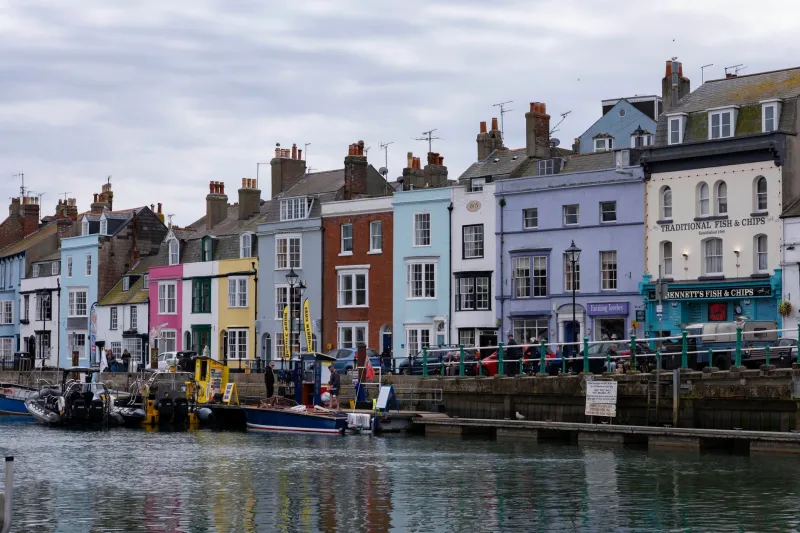
A close cousin of the boiler dream is the seaside chippy. You win the jackpot, you buy a small chip shop on the seafront, you rename it something punning, and you spend your twilight years battering haddock and telling customers about the day you scratched the winning card.
This is ambition in a paper hat. It is charming. It is also a useful clue: if your daydream involves running a business, you may be treating the scratchcard as a lottery ticket for a whole new life. That is a lot of weight for a bit of card the size of a bus ticket. Keep the chippy dream for the pub quiz and the car journey home. Do not let it become the reason you buy three cards instead of one.
The Very Small Yacht: A Masterclass in Lowered Expectations
Somewhere between the boiler and the chippy sits the very small yacht. Not a superyacht. Not a yacht with a crew. A dinghy, perhaps. Something you could tow behind a hatchback. It is the fantasy of someone who has audited their own ambitions and decided that a modest amount of water-based smugness would do nicely.
This is the sweet spot of scratchcard daydreaming. It is playful, it is proportionate, and it does not require the card to do anything more than provide a few seconds of entertainment. If your fantasy jackpot involves a small boat, a bag of chips and a flask of tea, congratulations: you have understood the assignment.
The Audit Questions: Three Gentle Prods
If you want to turn the daydream into a light self-audit, try these three questions. Answer honestly. There are no wrong answers, only mildly revealing ones.
1. Would you still buy the card if the dream never came true?
If the answer is yes — because you like the scratch, the ritual, the tiny thrill — then the card is entertainment. If the answer is no, and the card only makes sense as a shortcut to the boiler or the chippy, it may be time to rethink the budget.
2. Does the dream get bigger when you are stressed?
Fantasy jackpots have a habit of expanding when real life feels tight. A £1 card that normally buys you a dinghy suddenly becomes a full mortgage payoff after a difficult week. That is not a reason to panic, but it is a reason to pause. Scratchcards are not a coping strategy. They are a bit of fun with a silver panel.
3. Could you spend the same £1 on something equally daft and feel just as good?
A tea at the café. A scratchcard. A chocolate bar the size of a house brick. If the answer is yes, you are in healthy territory. If the scratchcard is the only thing that feels like a treat, it may have quietly become more important than it should.
The Responsible-Play Checklist (With Added Chippy References)
- Set a limit before you scratch, not after. A pound is a pound. A fiver is a fiver. The chippy dream does not come with a discount code.
- Treat it as entertainment, not income. The boiler fund should not depend on a silver panel.
- Keep the daydream proportionate. A dinghy is fine. A yacht with staff is probably a sign to have a cup of tea and a sit-down.
- Never chase the fantasy. If the card did not win, buying another to fund the chippy is not an audit; it is a rerun.
- Check in with yourself. If the £1 question starts feeling less like fun and more like a plan, take a break. The seaside will still be there.
- Remember the odds. Scratchcards are games of chance. The fantasy jackpot is a lovely little daydream, but it is not a financial forecast.
The Verdict
Your fantasy jackpot is not a diagnosis. It is a doodle on the back of a receipt. It tells you what you would do with a windfall, which is usually something domestic, slightly ambitious and faintly ridiculous. That is fine. The point is to keep the £1 question in perspective: a small, playful flutter, not a blueprint for the boiler, the chippy or the very small yacht.
So enjoy the daydream. Scratch responsibly. And if you do win the jackpot, please send us a picture of the dinghy. We will be at the seaside, pretending we knew you when.