The Coat-Pocket Casino: What Your Forgotten Scratchcards Are Trying to Tell You
By November 2026, your winter coat has probably already produced a receipt, a hairpin and a scratchcard you forgot you owned. This is normal. In Britain, we do not file scratchcards; we post them into the soft furniture of daily life and hope they turn up later like a mildly disappointing surprise.
A forgotten card can be funny. It can also be a small administrative task, a claim-deadline issue or a gentle signal that the scratchcard habit has become less of a laugh and more of a drawer-based filing system. So let us conduct a calm, low-stakes audit of the classic hiding places — and work out what they say about us.
The Four Great Hiding Places
The coat pocket is the classic. It is where summer optimism goes to be rained on. The glovebox is the automotive vault: half a packet of mints, an ice scraper and a ticket from a service station that may or may not still be valid. The kitchen drawer is the museum of optimism, home to takeaway menus, mystery batteries and cards you meant to check after dinner. And the handbag is the trench system — a place where receipts go to become geology.
Coat-Pocket Archaeology
Finding a scratchcard in a coat pocket is a seasonal ritual. You put on the big coat for the first cold snap, reach for a glove and find a small cardboard reminder that you once had plans. The card is usually creased, slightly fuzzy and covered in enough pocket fluff to suggest it has been on a modest camping trip.
Pub line: My coat has a better savings account than I do, except it pays out in lint.
Practical bit: before you laugh, check the card properly. Read the symbols and the prize panel, and do not assume a near-miss was a win. If it looks like it might be a winner, verify it with the retailer or operator rather than relying on pocket memory.
The Glovebox Vault
The glovebox scratchcard is a special breed: bought during a long drive, scratched at a service station, then buried under the manual you have never read. It has lived through heat, cold and the vague shame of an unopened packet of wet wipes.
Pub line: My glovebox is less a storage compartment and more a small casino with no opening hours.
Keep it practical. Old tickets can be damaged or expired, and claim deadlines vary by game and operator. Check the rules before you start imagining a new car. Then remove the card from the glovebox — because leaving it there is not an investment strategy, it is just upholstery with hope.
The Kitchen Drawer Museum of Optimism
Every kitchen drawer has a layer of miscellaneous life: elastic bands, a screwdriver, a takeaway menu from a place that closed in 2019 and two scratchcards. This drawer is not a treasure chest. It is a small museum of things we meant to deal with.
Pub line: My kitchen drawer has more unresolved plotlines than a soap opera.
When you audit this drawer, do it at a calm moment. Gather the cards in one place, check each one against the official rules, and note any claim deadlines. If a card is expired, recycle it or turn it into a comedy prop. Do not buy a replacement card as a reward for tidying. That is not an audit; that is a plot twist.
Handbag Trench Digs
Handbag archaeology is not for the faint-hearted. You go in for a lip balm and come out with a losing ticket, a loyalty card and a receipt for something you cannot explain. The scratchcard at the bottom of a handbag has usually been there since a train journey, a birthday meal or a moment of mild optimism at a till.
Pub line: My handbag is basically a scratchcard graveyard with a phone charger in it.
Check it properly, then let it go. A card that has been floating around a handbag for months is not a secret fortune; it is a small piece of admin. If it is a winner, claim it through the proper route. If it is not, do not let it join a growing pile of maybes.
The Gentle Audit
Here is the low-stakes version. Pick a quiet ten minutes. Put all forgotten cards on a table. Check each one carefully — symbols, prize panel, game rules and claim deadline. Use the retailer or operator if anything is unclear. Separate the definite losers from the possible winners. Deal with the possible winners first. Recycle or craft the rest. Do not buy any new cards during the audit, and do not treat the pile as a scoreboard.
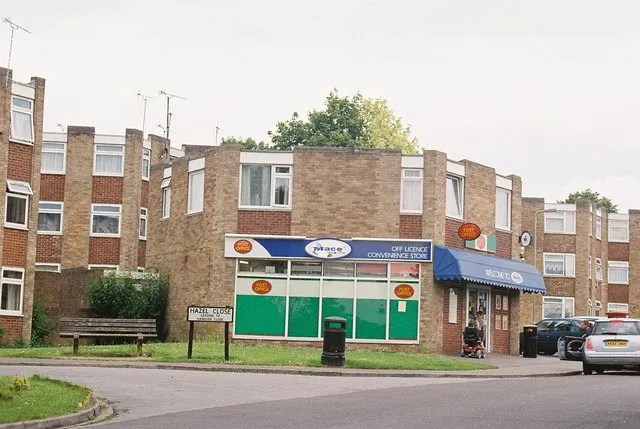
Shop etiquette matters here, too. Do not arrive at a busy Post Office at 8:55am with a carrier bag of old tickets and a hopeful expression. Check what you can at home, ask staff politely if you need help, and do not hold up the queue while you perform a full forensic examination.
When It Is a Nudge, Not a Treasure Map
A forgotten scratchcard is sometimes just a forgotten scratchcard. But if the drawer is full, if you keep meaning to check them later, or if the thought of old tickets gives you a little rush of maybe-money, that is worth noticing. Hopeful hoarding is not the same as having fun. Low-stakes play should feel light, social and affordable — not like an unpaid job you keep hidden in a coat pocket.
If the audit makes you want to chase a loss or buy more cards to make the pile feel worthwhile, pause. Step away, talk to someone, and look for proper support such as BeGambleAware. Scratchcards are for adults aged 18 and over, and the best forgotten card is one you check calmly, laugh about and then let go.