The Two-Quid Chuckle Awards: Scoring UK Scratchcards on Comedy, Not Cash

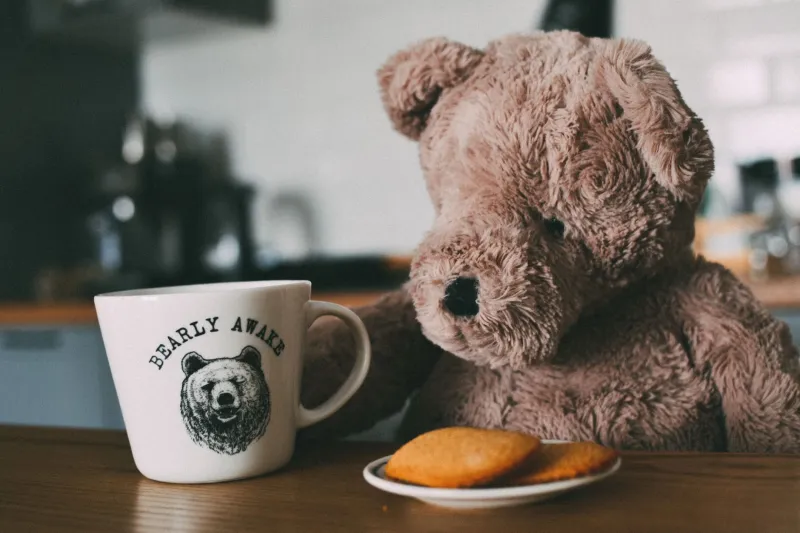
Photo by Photo by Sarah Agnew on Unsplash on Unsplash
There are two ways to review a scratchcard. The first is to tot up odds, prize tiers and expected returns, then write something sober and useful. The second is to admit that most of us buy a £2 card because the foil is shiny and the shop is warm, and then rank them accordingly.
Welcome to the second way.
How the Laugh-to-Loss Ratio Works
We invented a metric. It is not peer-reviewed. It is, however, quite good fun.
The laugh-to-loss ratio (LLR) scores a card on three things: how much the packaging made us smile in the queue, how entertaining the reveal was, and how gracefully it separated us from our money. A high score means you got a decent giggle for your £2. It does not mean you got your £2 back.
Because — and we'd like this in bold, please — losing is the most likely outcome of any scratchcard. The National Lottery's own published odds make sobering reading. Every card below is a bit of entertainment with a slim chance attached, not a savings plan with a foil lid.
Right. On with the judging.
The Contenders
1. The Seasonal Novelty Card — LLR: 9/10
Every November the shelves sprout cards with reindeer, crackers and a snowman wearing a slightly unhinged expression. They're objectively silly. They're also the only scratchcard that gives you something to talk about with the person behind the counter.
Scoring high here for sheer commitment to the bit. The reveal is identical to every other card — three matching symbols, mild disappointment — but the build-up has tinsel on it, and that counts for something.
Responsible-play note: a festive theme does not improve the odds. It improves the mood. There's a difference, and it's roughly £2 wide.
2. The Bingo-Themed Card — LLR: 8/10
The packaging promises the thrill of a full house. What you actually get is ninety seconds of scratching and a small lesson in humility. Still, there's a pleasingly retro charm to the whole thing — the colours, the little grids, the sense that your nan would approve.
Docked a point for the moment of confusion where we genuinely thought we'd won something because three symbols appeared in a row that turned out to be decorative.
Responsible-play note: if you find yourself buying a second one to 'even things out', that's the moment to buy a sausage roll instead.
3. The £1 Lucky Sevens — LLR: 7/10
Cheap, cheerful, and over before you've finished your meal deal. There's something admirably honest about a pound card: nobody is pretending this is an investment. The design looks like it was approved in 1998 and nobody has dared change it since, which we respect enormously.
Responsible-play note: cheap cards are not automatically cheap habits. Five £1 cards is a fiver, and a fiver is a fiver.
4. The Big-Money Headline Card — LLR: 3/10
You know the ones. Enormous numbers on the front, gold lettering, a photo of somebody pointing at the sky. The comedy here is unintentional: the gap between the promise and the reality is roughly the width of the English Channel.
We're not saying don't. We're saying the packaging is doing an enormous amount of emotional heavy lifting for a game with fixed odds.
Responsible-play note: the size of the number on the front has no bearing on your chances. It's decoration. It's marketing. It's a big shiny number.
5. The Charity-Linked Card — LLR: 6/10
Good intentions, understated packaging, a small note about where some of the money goes. Comedically it's the straight man of the line-up, but there's a quiet satisfaction to it that the loud cards lack.
Responsible-play note: supporting a good cause is lovely. It is still spending, not donating. Budget for it as a treat, not as philanthropy.
What We Learned
Three things, mostly.
- Packaging is the whole game. The foil does more work than the game underneath it.
- The reveal is the product. The thirty seconds of scratching is what you're actually buying.
- Nobody has ever had a better evening because of a scratchcard. They've had a slightly more amusing two minutes, which is the honest ambition.
The Responsible Bit (Read It, It's Short)
Scratchcards are 18+ in the UK and sold behind the counter for a reason. Set a spend limit before you leave the house — a fiver is a fiver, and 'just one more' is the oldest sentence in the book. Never chase a loss. If a scratchcard has stopped being a two-quid giggle and started being a thing you need, that's a signal worth listening to.
Free, confidential support is available from GamCare on 0808 8020 133, or via BeGambleAware. Both are there for the ordinary Tuesday even more than the dramatic Sunday.
The Verdict
Ranked by laughs, the seasonal novelty card wins by a snowman's whisker. Ranked by anything financial, they all lose — which is rather the point. Buy one, enjoy the scratch, laugh at the foil, go and spend your actual evening doing something with a better return on investment. Like a quiz down the pub.
Play for the giggle, not the jackpot. And if the giggle's gone, so should you.