The Drawer of Delayed Destiny: Keeping an Unscratched Card for a Properly Rotten Tuesday
There is a particular kind of person who buys a scratchcard, does not scratch it, and places it somewhere safe. Not a vault. Not a safety-deposit box. More often a kitchen drawer, a cookbook, the inside pocket of a coat that smells faintly of dog walks and old receipts. The card sits there, a tiny rectangular promise, waiting for a rainy day.
At Joke Scratchcards we are firmly in favour of low-stakes fun, and we are also in favour of knowing what you are actually doing. Saving an unscratched card can be a charming little ritual. It can also be a way of avoiding the whole business because you suspect the business will end in a politely crumpled fiver-shaped disappointment. Both are allowed. Neither needs a ceremony. But a few gentle rules make the whole thing more fun and less muddled.
The Sitter’s Inventory: Where Not to Put It
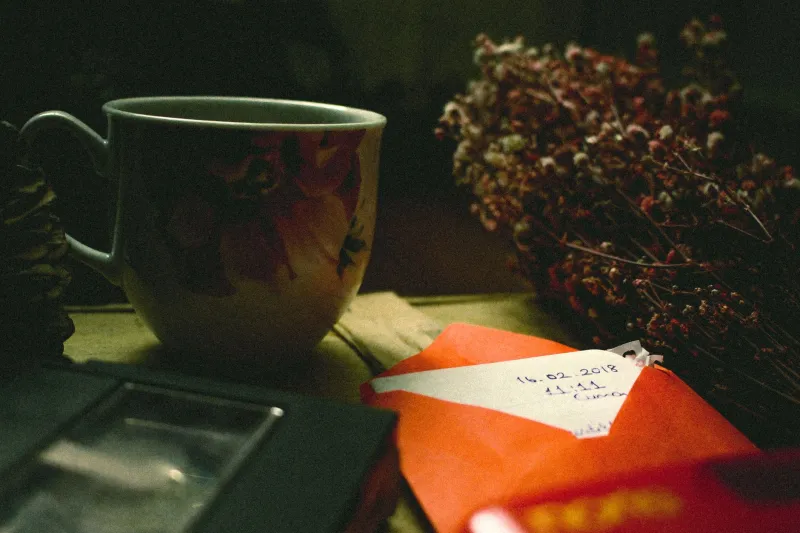
First, storage. The ideal home for an unscratched card is dry, memorable and not accessible to children, pets or the sort of houseguest who tidies aggressively. A labelled envelope in a biscuit tin is excellent. A page in a notebook is good, provided you remember which notebook and do not later donate it to a charity shop with the card still inside.
The freezer is not a good idea. Neither is the washing machine, the airing cupboard, or the pocket of the trousers you keep meaning to iron. Do not laminate it. Do not frame it. It is a scratchcard, not a degree certificate.
It also helps to note the date you bought it and roughly when you intend to scratch it. Not because scratchcards expire in a dramatic, cinematic way, but because “I’ll save it for a special occasion” can quietly become “I have owned this card since the last time the boiler worked”. A small pencil mark on the envelope is enough. No spreadsheet is required, though we would respect you enormously if you made one.
Saving Versus Avoiding: A Gentle Diagnosis
There is a fine line between delayed gratification and a mild case of the dreads. Saving a card for a rainy day suggests you are looking forward to it. Avoiding a card suggests you have already decided the outcome is a loss and would rather not confirm it.
Ask yourself a simple question: if I scratch this now, will I feel silly, sad or cross? If the answer is yes, perhaps the card has become less of a treat and more of a small unresolved chore. That is worth noticing. Scratchcards are entertainment, not homework. They are also not an emergency fund, an investment, or a cunning way to beat the odds by waiting until Mercury is no longer doing whatever Mercury does.
The odds do not improve with age. A card saved for three months is not more likely to win than it was on the day you bought it. What changes is the story you tell about it. That is fine — stories are fun — as long as the story does not become “this card owes me a good day”. It does not. It owes you a scratch, some tiny symbols, and a moment of mild suspense. That is the deal.
House Rules for the Eventual Scratch
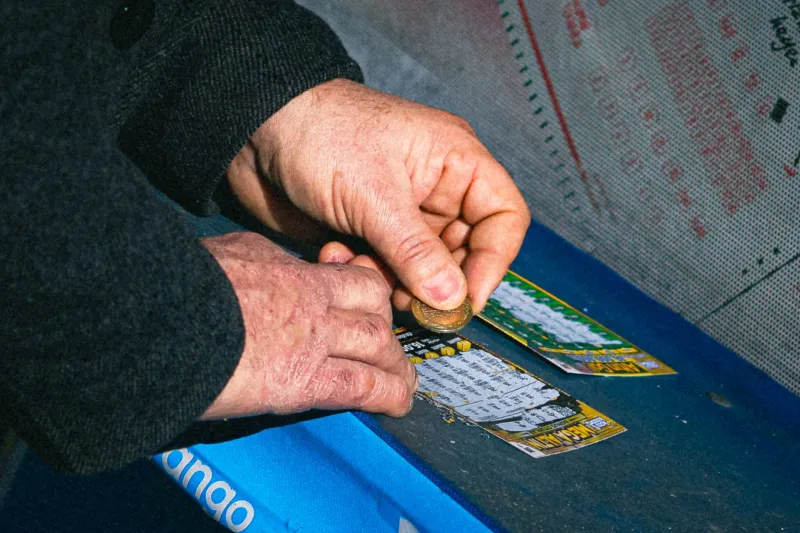
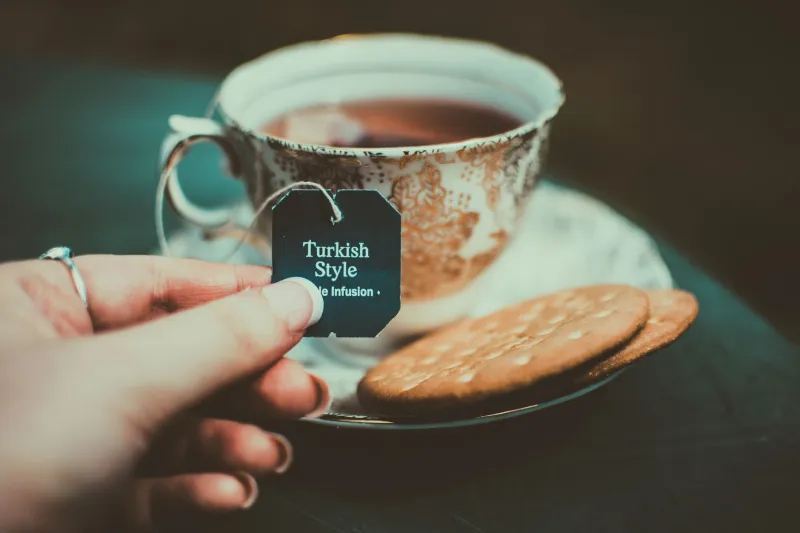
When the rainy Tuesday finally arrives, treat the card properly. Make a cup of tea. Sit down. Find a coin you trust. Do not use a fingernail, a teaspoon handle or the corner of a debit card, unless you enjoy the feeling of being slightly annoyed at yourself.
Our suggested house rules are deliberately modest:
- Scratch it in daylight, not at 11pm while refreshing a boiler repair website.
- Tell one person, or no one. Avoid gathering a crowd as if you are about to reveal the winner of a regional raffle.
- Scratch slowly. The suspense is the point. Rushing it is like eating a chocolate biscuit in one bite and then pretending you enjoyed it.
- Check the game’s rules and odds on the card or the operator’s site, so you know what you are looking at. A near-miss is still a miss. A “lucky symbol” is still just a symbol.
- When it is done, stop. Do not buy another card to celebrate a win. Do not buy another card to console yourself after a loss. The card is finished; the entertainment is finished.
The Rainy-Day Protocol
What counts as a rainy day? Genuine drizzle is acceptable. A cancelled bus is acceptable. A day when the boiler makes a noise like a disappointed badger is acceptable. A serious financial problem is not a scratchcard occasion. If you are relying on a card to fix something real, that is the moment to put the coin down and have a sensible conversation instead.
It is also worth saying plainly: scratchcards are for adults aged 18 and over, and they should only ever be bought with money you can comfortably afford to spend on a bit of fun. Never chase losses. Never borrow to play. If a card you saved for a rainy day starts to feel like pressure rather than a small joke, leave it in the drawer and do something else.
A Very Small Conclusion
The unscratched card in the drawer is not destiny. It is not a pension plan. It is a two-pound bit of paper with a thin layer of foil on top. But it can be a nice little pause in an ordinary week — a rainy-day ritual with a cup of tea and a coin, followed by the cheerful acceptance that most cards lose and the whole point was the scratch.
If you have one tucked away, give it a date. Then give it a scratch. And if it wins, lovely. If it does not, you have still had the bit where you sat down, made a cup of tea and pretended, for ninety seconds, that the kitchen drawer contained something more exciting than a spare battery and a takeaway menu.
That is low-stakes fun. That is the whole point. If gambling stops feeling like fun, support is available from GamCare and other UK services.