Envelope of Evidence: One Month of Scratchcard Receipts, Politely Interrogated
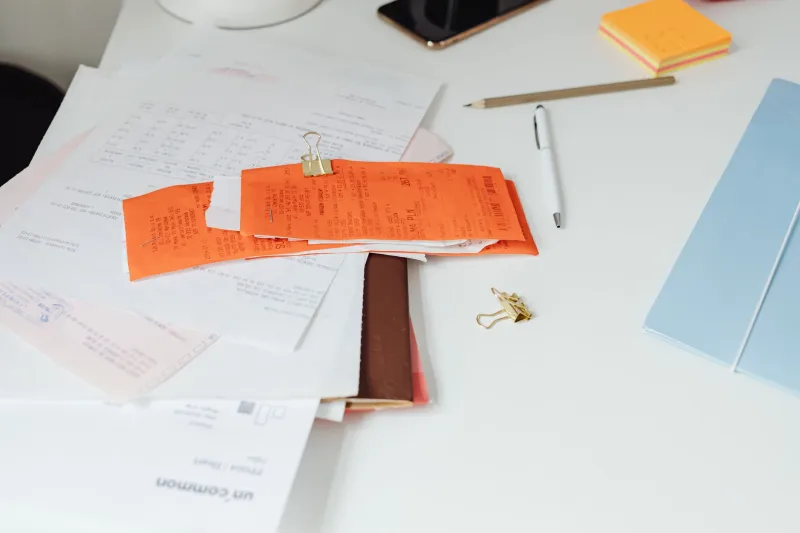
There is a particular sort of courage required to empty your wallet onto the kitchen table on a Sunday evening and admit that a fair portion of what falls out is small rectangles of cardboard.
We are not here to shout at you. We are here to hand you an envelope.
The method: for one calendar month, every scratchcard receipt and every losing slip goes into the same envelope. Not the bin, not the glovebox, not the pocket of the coat you only wear when it drizzles sideways. The envelope. At month's end, tip the lot out and conduct what we are calling an audit, though "polite post-mortem with biscuits" is nearer the mark.
Why an envelope beats a spreadsheet
Spreadsheets imply discipline. Envelopes imply you have a drawer. More importantly, an envelope is frictionless — you will actually use it, which is more than can be said for the budgeting app you downloaded in January and have not opened since the daffodils came up.
The beauty is in the backlog. Once the slips are in one place, patterns show themselves the way damp patches show themselves on a ceiling: slowly, then all at once. A receipt from the same corner shop at 8:42pm on a Tuesday, four weeks running, tells a story no memory will volunteer.
The three piles: Laughs, Habit, Chase
Tip the envelope out and deal the slips into three piles.
Laughs are the ones you can still remember enjoying. The birthday card bought on a whim, the £2 punt during the pub quiz that ended with a story about a man arguing with a fruit machine. Money spent on a laugh is not wasted; it is simply spent.
Habit is the grey middle ground. The same purchase, at the same time, for no particular reason. Nothing wrong with it — a great many nice things are habitual, from tea to the Radio 4 schedule — but it is worth naming, because habit is the thing that quietly grows while nobody is looking.
Chase is the smallest pile and the one to watch. These are the slips that came after a loss, bought with the specific intention of putting something right. If this pile is more than a couple of slips deep, that is not a character flaw; it is merely information worth having.
Set the fun budget first, then tally
The counter-intuitive bit: decide your monthly figure before you count anything. Pick a number you would happily spend on a cinema trip plus a bag of pick-and-mix, and write it on the front of the envelope.
Then count. If the total sits under the line, congratulations — you have evidence, and evidence is a lovely thing to have on your side. If it sits over, resist the urge to turn the kitchen into a courtroom. The gap is not a verdict, it is a nudge. Ask what the overspend bought you: a laugh, a habit, or a bit of chasing? The answer usually points straight at the fix.
The trigger map
Look at the times, dates and locations on your receipts and sketch a rough map of your buying. Common triggers, in our experience of asking people who then laughed nervously:
- Payday proximity. The first 48 hours after the money lands.
- The meal-deal run. Buying lunch, and a card, and a scratchcard, and a second scratchcard because the first one was a dud.
- The queue. Standing still with coins in your hand and a till within reach.
- Weather. Wet afternoons have a lot to answer for.
- The post-match comedown. Football results and optimism are not always good neighbours.
Naming a trigger is not the same as banning it. It just means the next time it appears, you might notice it slightly before it notices your wallet.
The printable checklist
Print this, stick it inside the envelope, tick as you go — or copy it into the back of a notebook and be just as smug about it.
- Envelope chosen and labelled with the month
- Fun budget written on the front before counting
- Every receipt and losing slip collected for the full month
- Slips sorted into Laughs, Habit and Chase
- Total tallied and compared with the budget line
- Time-of-day and location patterns noted (roughly is fine)
- One habit trigger identified, kindly
- One small change decided — and kept small
- Envelope kept, in case you fancy a repeat next month
- Biscuit consumed, guilt-free
The reset, not the reckoning
The temptation is to finish this exercise by making a dramatic vow in the manner of a man on a cliff edge. Resist it. Dramatic vows last about as long as a supermarket hot cross bun in a car.
Instead, choose one adjustment. One. Move the budget to a separate account. Leave the card at home on the meal-deal run. Take a fortnight off and see how the envelope looks. Small, boring, doable changes beat grand gestures every time — largely because they survive the first wet Tuesday.
And do remember the point of the whole thing. This is meant to be low-stakes fun: a scratchcard, a bit of a giggle, a small flutter with no mortgage attached. If the envelope ever starts to feel like evidence in a case against you, that is the moment to stop looking at it and start talking to someone.
Where to go if the pile worries you
Scratchcards are gambling, and low stakes is not the same as no stakes. If your audit throws up something that sits uneasily — chasing losses, spending past your budget, or simply a nagging feeling — there is free, confidential help in the UK, and it is genuinely no fuss at all.
- GamCare — 0808 8020 133, seven days a week, or gamcare.org.uk
- BeGambleAware — begambleaware.org, with a 24-hour National Gambling Helpline on 0808 8020 133
- GAMSTOP — free self-exclusion from gambling sites across the UK
- National Lottery — players must be 18 or over; scratchcards are no exception
Set a deposit or spend limit before you need one, take breaks that last longer than a tea round, and treat your fun budget the way you treat the good biscuits: a portion, enjoyed properly, and then the tin goes back on the shelf.
Right. Who's got an envelope?