The Kitchen-Table Treaty: How to Share One Scratchcard Without Starting a Small War
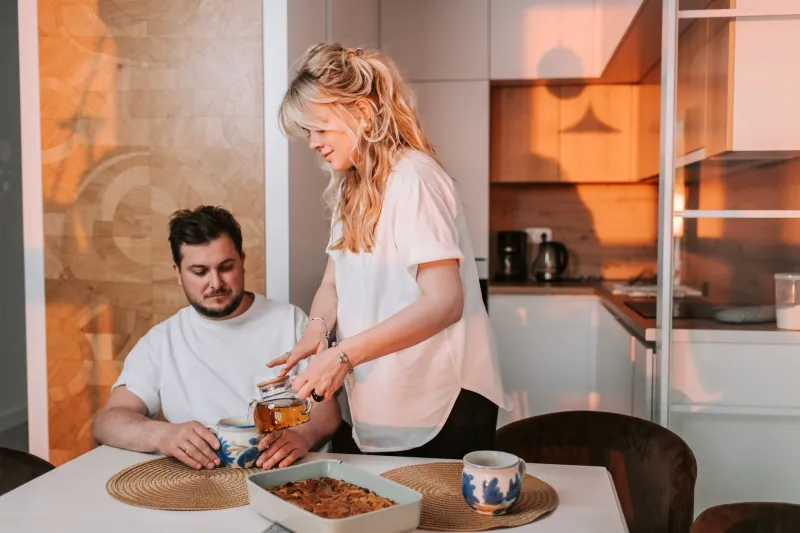
Sharing a scratchcard sounds like the easiest good deed in Britain. You buy one, you bring it home, you place it on the kitchen table with the confidence of someone presenting a tray of tea. Then a second person appears, a coin is produced, and suddenly you are negotiating panel access like a junior foreign secretary. In 2026, with the price of a decent biscuit behaving like a thrill ride, a low-stakes bit of fun should not require a summit. Yet here we are.
The truth is that a single scratchcard is a tiny theatre of hope, and every theatre needs a seating plan. Who holds the coin? Who scratches the first panel? What happens if the win is £3 and someone has already mentally spent it on a garden centre scone? These are not trivial questions. They are the sort of questions that can turn a pleasant Sunday afternoon into a tense re-enactment of a village fete committee meeting.
So let us draft a gentle treaty. Nothing legal, nothing signed in fountain pen, just a few sensible clauses agreed before the silver stuff starts flying.
Clause One: Settle the stake before the coin appears
The most important clause is also the least glamorous: agree what you are spending before anyone gets excited. If one person thinks this is a £1 bit of nonsense and the other has quietly upgraded the plan to a £5 card, resentment is already warming up in the hallway.
Say the amount out loud. Better still, say the stopping point out loud too. For example: ‘We are having one card each, up to a fiver, and then we are putting the coin away and watching something with a detective in it.’ That is not a buzzkill. That is a small fence around the fun, so nobody wanders into the neighbouring field of regret.
Scratchcards are gambling, even when the stakes are pocket-money sized. The sensible approach is to treat the cost as money already spent on entertainment, not as an investment with a likely return. If the cost would make a difference to the shopping, the bill or the bus fare, it is not a low-stakes laugh. It is a no.
Clause Two: Appoint a Chancellor of the Coin
Somebody has to hold the coin. This is not about power. It is about avoiding the awkward dance where two people both reach for the same 10p piece and one of them ends up scratching the table instead.
My suggestion is a rotating role. One person is Chancellor of the Coin for the first card, the other takes over for the second. If there is only one card, the coin-holder gets the first scratch and the other person gets the final panel. This feels fair, keeps hands busy and prevents the classic move known as ‘I was only helping’ from being deployed halfway through someone else’s go.
A word on tools: keys are not coins, fingernails are not tools, and the edge of a teaspoon should be retired from scratchcard duty after the incident. The coin is the coin. Let us maintain standards.
Clause Three: Divide the panels like a tiny constituency map
A scratchcard has sections, symbols, numbers and a general air of mystery. It also has a limited number of scratches, which means sharing needs a map. Decide before the first panel: you take the left side, I take the right, and we meet in the middle for the big reveal. Or take alternate panels like a very low-budget game show.
What you should not do is hover, point and say ‘try just there’ in a whisper. That is not sharing. That is back-seat scratching. Nobody enjoys a commentator when the stakes are a possible £2 and a biscuit.
If children are involved, the treaty changes. Scratchcards are for adults, full stop. A child can stir the tea and offer moral support, but the coin stays with a grown-up. There is a responsible-play reason for this, and also a practical one: children are alarmingly good at finding the one panel you were saving.
Clause Four: The small-win protocol
A small win is a beautiful thing and a diplomatic minefield. Someone scratches a £4 win and suddenly everyone has a claim: the person who bought the card, the person who held the coin, the person who said ‘go on then’ and the person who was in the room and therefore feels spiritually involved.
Keep it simple. If one person paid, the winnings go to that person unless everyone agreed otherwise before the scratch. If you split the cost, split the win. If the win is £2 and there are three of you, do not attempt to divide it with a calculator and a sense of grievance. Put it in the biscuit fund, pop it in a jar or agree that it buys the next round of teas. The point is the laugh, not a forensic accounting exercise.
And if someone announces they would have won more if they had scratched the panel themselves, smile and offer them the next dud card. That usually settles it.
Clause Five: The dud debrief
Losing is the default setting of a scratchcard. This is not pessimism; it is the mechanics of the thing. So when the card is a dud, the treaty requires a dignified response. No long faces, no accusing the card of personal malice, no pretending the symbols nearly lined up when they did not.
The best dud debrief is short and cheerful: ‘Right, that was rubbish. Kettle’s on.’ Then move on. Do not buy another card to chase the feeling, and do not let a £1 disappointment become a £10 discussion. The fun was in the scratch, the suspense and the daft commentary. The dud is simply the punchline arriving on time.
Clause Six: Know when the treaty expires
Every good treaty has an end point. Before the card comes out, agree that the fun stops when the agreed spend is gone. Not when the mood dips, not when someone says ‘one more’, and certainly not when the card ‘owes us one’. Cards do not owe anyone anything. They are bits of card.
If you or someone you are with finds it hard to stop, that is worth a kind word and a proper pause. Support is available from GamCare and BeGambleAware, and it is free, confidential and not remotely interested in judging your biscuit choices. Low-stakes fun should stay low-stakes.
The visiting-relative amendment
Sharing with a visiting relative adds a fresh wrinkle: politeness. Aunty Susan will say she does not want a go, then look disappointed when you do not offer twice. Uncle Ray will scratch with the vigour of a man trying to open a stubborn jar. The treaty still applies, but add a courtesy round: offer once, offer again, then let them choose a panel. If they decline, respect it. If they accept, hand over the coin and keep the tea coming.
The final clause: laugh first, scratch second
The kitchen-table treaty is not really about rules. It is about making room for the daft, low-stakes pleasure of a scratchcard without anyone feeling short-changed, bossed about or quietly furious by the biscuit tin. Agree the cost. Agree the stopping point. Share the panels, split the tiny wins with good humour and treat the dud as part of the show.
Then put the coin away, put the kettle on and remember the real prize: a shared laugh that costs less than a Sunday carvery and leaves no washing-up. Well, almost.