A Fiver in a Card: The Delicate Art of Giving Scratchcards Without Causing a Scene
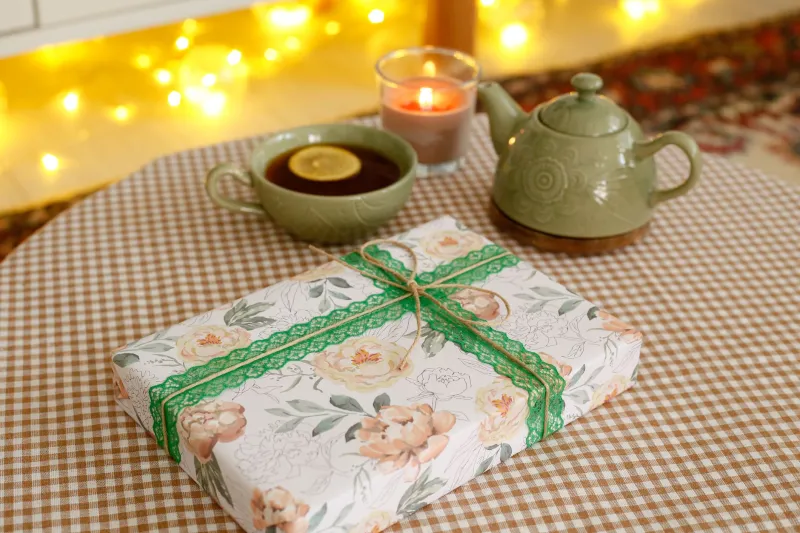
There is a particular kind of British magic in handing someone a birthday card and watching them discover a scratchcard tucked inside. For a split second, they are delighted. Then comes the pause. Is it a gift? Is it a dare? Is it a subtle message about their finances? Nobody knows, and that is precisely where the fun begins.
The scratchcard gift economy is a strange little corner of UK life. It sits somewhere between a proper present and a cheerful afterthought, traded across shop counters, slipped into thank-you cards and occasionally regifted with the sort of apologetic shrug that says, “I panicked in the Co-op.” In 2026, with everything costing roughly the same as a small cathedral, a two-quid card still feels like a treat — as long as we keep the stakes low and the manners high.
The birthday-card ambush
Let’s start with the classic: the scratchcard folded into a birthday card. The giver has usually spent more on the card than the gift, which is either charming or deeply on-brand for Britain. The receiver opens it, sees the shiny rectangle, and must now perform a tiny piece of social theatre.
Do you scratch it immediately? In front of the giver? While everyone watches? This is the scratchcard equivalent of opening a present and discovering socks: you must react warmly, but not so warmly that anyone suspects you have a gambling problem. A safe move is the delighted chuckle, followed by, “Ooh, I’ll save that for later.” It buys everyone time and suggests you have a rich inner life involving scratchcards and possibly a cup of tea.
If you do scratch it there and then, the rules are simple. Win a fiver, and you say, “That’s going in the biscuit fund!” Lose, and you say, “Well, that was a thrilling five seconds.” Either way, you do not demand a second card. That is not etiquette; that is a hostage situation.
The corner-shop thank-you
There is another species of scratchcard gift: the counter-top thank-you. Someone has helped you move a wardrobe, fed your cat, or listened to you explain your new fitness app for forty minutes. You want to say thank you, but a bouquet feels like too much and a bottle of wine feels like a Tuesday. So you buy a scratchcard.
This is a perfectly decent gesture, provided you remember the golden rule: a scratchcard is a bit of fun, not a substitute for actual payment. If your neighbour spent three hours unblocking your sink, a scratchcard is a garnish. It should come with a genuine thank-you, not a hopeful look that says, “If this wins, we split it.”
Also, be careful where you hand it over. Presenting a scratchcard across a shop counter while the cashier waits is a lovely bit of community theatre, but it can look suspiciously like you are paying for the milk with a lottery ticket. Keep the receipt, keep the smile, and keep the queue moving.
The four gift-givers you will meet
The Birthday Card Stuffer has bought the card and the scratchcard in the same shop, five minutes before the party. They are chaotic but generous. Their love language is “I saw it by the till and thought of you.”
The Corner Shop Thank-You is practical, warm and slightly last-minute. They will say, “It’s only a little thing,” which is exactly what makes it nice. They also always buy the card with the biggest gold lettering, because subtlety is for other people.
The Regifter has received a scratchcard, forgotten to scratch it, and passed it on six months later. This is acceptable only if the card is unscratched and the story is told honestly. Regifting a losing scratchcard is not generosity; it is recycling with extra steps.
The Overthinker has researched the scratchcard, checked the odds, bought a card, bought a backup card, and written a small note explaining that gambling should be fun but not relied upon. They are exhausting, but they mean well. They are also, quietly, the most responsible person at the party.
What if it wins? What if it loses?
A win creates joy and a tiny social contract. If the card was a gift, the win belongs to the receiver. The giver may accept a celebratory biscuit, but not half the jackpot. If the win is enormous — and let’s be clear, the odds are not in favour of your aunt’s two-quid card buying a new conservatory — the polite thing is to say thank you, check the ticket carefully, and take proper advice rather than immediately booking a hot tub.
A loss is even simpler. You smile, crumple it neatly, and say something like, “The thrill was the gift.” Do not sigh dramatically. Do not announce that you “never win anything.” Do not imply the giver has cursed your family. It is a scratchcard, not a Shakespearean tragedy.
The responsible-play bit, said with a smile
Here is the less funny but important part: scratchcards are gambling products, not ordinary greeting cards. They are for adults aged 18 and over, and they should never be given to children or teenagers, even as a joke. If someone in your life is struggling with gambling, a scratchcard is not a thoughtful gift — it is a paper trap with foil on top. Keep gifts low-stakes, never pressure anyone to play, and never frame a scratchcard as a solution to money worries. If gambling stops being fun, support is available through services such as GamCare and BeGambleAware.
A gentle checklist for 2026
- Buy only for adults, and only if you know they will enjoy the novelty.
- Keep the value small: a couple of pounds is a giggle; a fifty-pound card is a conversation.
- Never gift a scratchcard as a “way to win it back” or as a financial favour.
- If you give one, include a note that makes the joke clear: “For fun, not for funding the summer holiday.”
- If you receive one, scratch it in your own time or perform the five-second thank-you scratch with dignity.
- If it wins, celebrate sensibly. If it loses, recycle it and move on.
- If someone asks you to stop buying them scratchcards, stop. Etiquette is mostly just listening.
Done properly, the scratchcard gift is a tiny, harmless piece of British absurdity: a two-quid card that says, “I thought of you, but I also wanted to watch you scratch foil with a coin.” Keep it thoughtful, keep it low-stakes, and keep the biscuit fund well stocked.