All the Shop’s a Stage: Seven Acts in the Short, Glittering Life of a Scratchcard
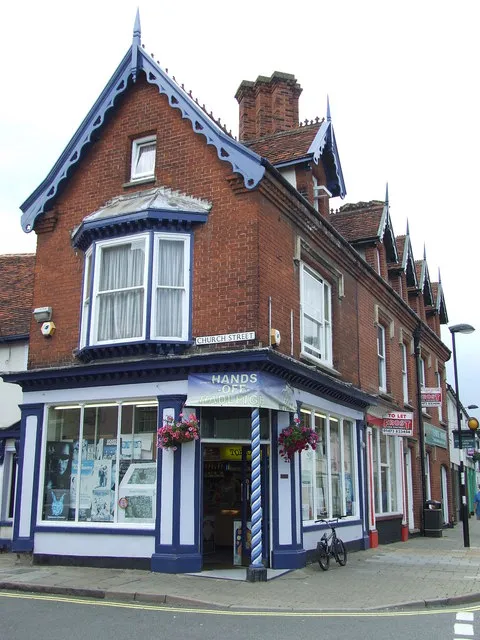
Photo: Keith Evans, CC BY-SA 2.0, via Wikimedia Commons
All the shop’s a stage, and all the scratchcards merely players. They have their exits and their entrances, and one small card in 2026 may play many parts: gleaming newcomer, pocket philosopher, tea-break entertainer, bin-bound sage. William Shakespeare never queued behind someone buying a pint of milk and a scratchcard, but give the man a chained biro and he would have found something to say.
What follows is not a financial guide, nor a promise of fortune. It is a light-hearted biography of one very ordinary scratchcard, told in seven acts, with a gentle reminder that low-stakes fun should stay low-stakes. If scratching ever stops feeling like a giggle, step away and let the curtain fall.
Act I: The Rack Newcomer
Behold the card in its first flush of youth. It hangs on the rack by the till, crisp at the corners, bright as a seaside postcard, promising things in bold type. It has not yet met a coin. It has not yet known the indignity of pocket lint. It is all possibility and no creases.
The rack is a wonderful bit of corner-shop theatre. There are £1 cards for the cautious, £2 cards for the committed, and £5 cards for those who have decided today is a occasion. The newcomer knows nothing of budgets, bus timetables or the small sigh of a person checking their coat for a stray pound coin. It simply gleams under the strip light and waits.
At this stage, it is only a bit of fun with a price tag. That is the healthiest way to see it. A scratchcard is not a savings account with glitter on it.
Act II: The Chosen One
Now comes the selection, a ritual more mysterious than anything in Macbeth. One customer chooses by colour. Another chooses by price. A third chooses the card that looks least likely to be chosen, as though the universe rewards politeness. Someone nearby says, ‘You never know,’ which is technically true of most things, including weather and soup.
The chosen card is carried to the till. It hears the beep. It is exchanged for money, which is the closest a piece of cardboard gets to a coronation. The shopkeeper may say ‘good luck’ in the tone of someone who has said it eleven times before lunch. The card is now yours, and also, spiritually, everyone else’s, because at least one person in the queue will want to know how it goes.
This is the moment to remember the price of the ticket, not just the dream printed on it. Spend only what you would happily lose for the sake of a few minutes’ amusement. That is the whole point of low-stakes play: the laugh comes first, not the hope of a rescue.
Act III: The Counter Ritual
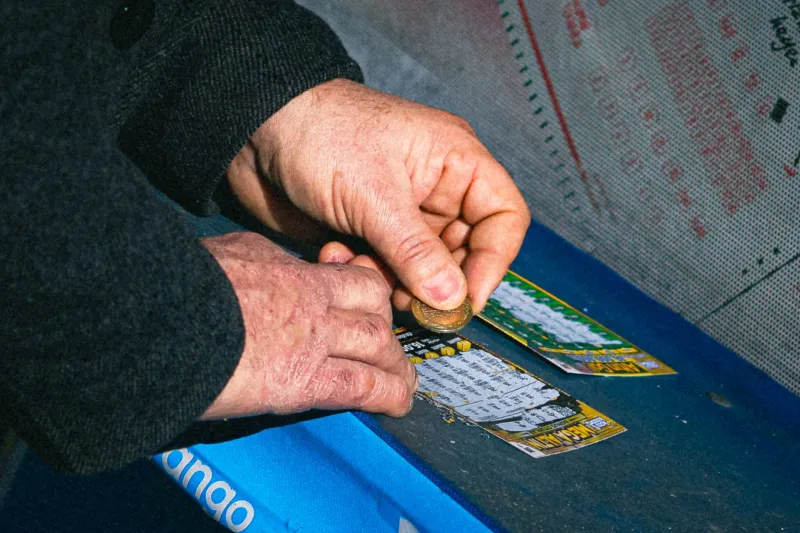
Some scratchcards are scratched at the counter, under the watchful eye of the chained biro. This is the public performance. The card is laid flat. A coin is produced with unnecessary ceremony. The first silver curl of foil appears. The queue leans in a fraction, pretending not to.
The counter is not an oracle. It is a counter. It has seen crisps, batteries, birthday cards and people asking whether the bus has gone yet. It cannot tell you whether your luck is in. It can, however, host a perfectly pleasant thirty-second pause in the day.
If you are scratching in company, keep it kind. No snatching, no dramatic gasping, no claiming the last scratch-off area before someone else has finished reading. The corner shop is a shared stage, and everyone deserves their turn in the spotlight.
Act IV: The Pocket Passage
Many cards do not get scratched immediately. They travel. They go into a coat pocket beside a bus ticket, a receipt and a peppermint of uncertain age. They bend softly. They gather lint. They become mysterious.
This is the card’s wilderness years. It may reappear on a wet Wednesday while you are looking for a tissue. It may be found in a wallet in July, looking like a tiny archaeological site. It may be placed on the kitchen windowsill with the vague intention of being dealt with after the kettle boils.
A card that lives in a pocket for three weeks is not an investment. It is a small unfinished errand. If you find one, scratch it, enjoy the little reveal, and then let it go. Hoarding unloved cards does not increase their value; it only increases the lint.
Act V: The Scratch
The great scene. The coin is chosen — a 20p, a pound, whatever is not needed for the parking meter. The foil comes away in silvery curls. The symbols appear. The brain does its familiar little dance: match three, find the star, reveal the prize, check the small print twice because the small print is where dignity goes to be tested.
For a moment, the card is the most interesting object in the room. Then it is a pile of shavings and a verdict. If it wins a small amount, there is a pleasant glow and a story for later. If it does not, there is the gentle deflation of a balloon that was never very inflated in the first place.
This is the act where responsible play matters most. Do not chase. Do not borrow. Do not tell yourself that the next card owes you something because this one did not. A scratchcard is a tiny entertainment, not a debt collector with a sense of drama.
Act VI: The Dud Philosopher
The losing card has a strange dignity. It has joined what we might call the little museum of almost. It was two symbols away. It had the right shape of hope. It made a Tuesday afternoon briefly interesting and then asked for nothing more.
A dud card is not a verdict on your character. It is a piece of cardboard that has done its job: provided a minute or two of harmless anticipation. The danger is only when the minute stops being harmless — when the scratch becomes a habit, the habit becomes a pressure, and the pressure starts writing cheques the wallet cannot cash.
So let the dud philosopher speak its piece: ‘Thou art not cursed. Thou art just out of luck and out of foil.’ Then bin it, or fold it into a bookmark for a library book you will definitely return on time. Probably.
Act VII: The Bin-Bound Sage
Finally, the card exits stage left. It may be folded, torn or dropped into the recycling with the quiet ceremony of a crisp packet. It has been a newcomer, a chosen one, a pocket resident, a source of suspense and, at last, a small piece of waste with a story.
The bin is not tragic. It is simply the end of the run. The rack will produce another card tomorrow. The till will beep again. Someone will say ‘you never know’ and mean it kindly. The next £2 daydream will be waiting by the counter, fresh and gleaming.
Let it wait. You are the director of this little play, not the card. Keep the stakes low, keep the tea warm and keep the laughter louder than the hope of a jackpot. If the curtain ever feels heavy, take a break. Support is available through BeGambleAware and other UK services, because responsible play is not a dull footnote — it is the thing that lets the fun stay fun.
And so, kindly curtain call: exit, pursued by a shopkeeper with a broom. The stage is clear. The next act is yours.