The Jar Sets the Rules: A 2026 Allowance Plan for Lighter, Low-Stakes Scratch Fun
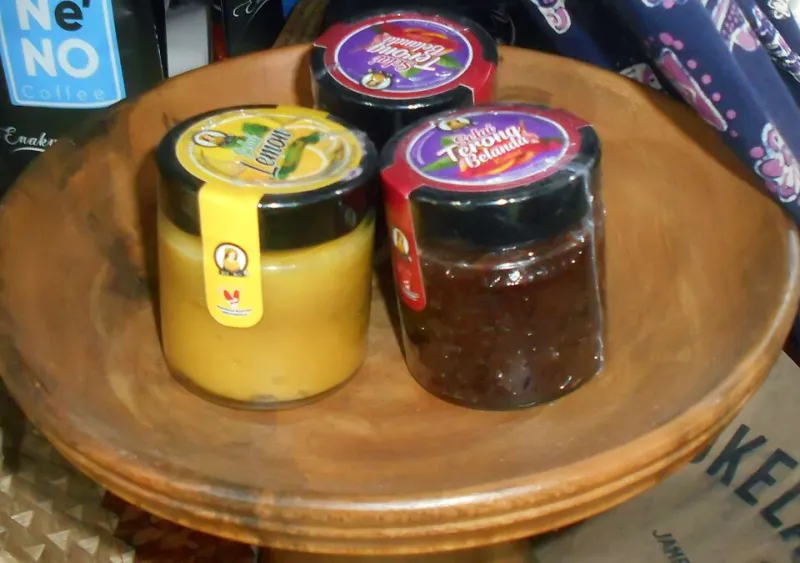
Photo: Firzafp, CC BY-SA 4.0, via Wikimedia Commons
Every household has a drawer with a dead biro, three foreign coins and a battery of unknown charge in it. Somewhere near that drawer, in many kitchens, there is also a vague and hopeful feeling about scratchcards: that they are cheap, that they do not really count, that the odd one here and there cannot possibly add up to anything.
The jam jar is here to gently disagree. Not in a scolding way. In a 'let us give this bit of fun its own little home' way.
Why a Jar Beats a Spreadsheet
A spreadsheet is for people who enjoy pivot tables. A jar is for people who enjoy jars.
The advantage of something physical is that it announces itself. You can see how much is in it. There is no scrolling, no app, no logging in with a password you have written on the back of a receipt. The jar says: this is the fun money, and when it is gone, it is gone until next month.
That sounds restrictive. It is, in fact, the opposite. A limit you have chosen in advance is a limit you never have to argue with yourself about in the queue at the till.
Step One: Pick a Number You Genuinely Will Not Miss
This is the whole trick, and it should take about ninety seconds.
Think of an amount that is comfortably within your normal spending — the price of a couple of coffees, a modest round in a pub that only sells crisps, one of those sandwiches that costs more than you expected. It should be a number that would not change your week if it vanished.
Some people will choose £4. Some will choose £10. Some will choose £2 and feel quietly delighted by their own restraint. There is no correct answer, and anyone who tells you there is has probably started a podcast.
The one rule: it must be an amount you can afford to lose entirely without a flicker. That is not pessimism. That is the definition of low-stakes.
Step Two: The Naming Ceremony
Take a clean jar — jam, pickle, the fancy one that held olives at Christmas — and give it a label. Not 'savings'. Not 'winnings'. Something honest and slightly ridiculous, written in marker pen, ideally at an angle.
This bit matters more than it sounds. A labelled jar is a boundary with a sense of humour, and boundaries with a sense of humour tend to survive longer than stern ones written in a notes app.
Envelopes work just as well if your kitchen lacks shelf space. Some people use a specific pocket of a specific coat, which is fine until the coat goes to the charity shop with £6 in it. Choose your storage with care.
What the Jar Pays For
Everything scratchcard-related. That is the point.
The card itself, obviously. But also the second card, if you decide on the day that two is the plan. And the third, if you have badly miscalculated your own willpower — though if that happens often, the amount is probably set too low for your habits, and the honest move is to lower your ambition rather than raise the budget.
What the jar does not pay for: anything else. Not a lottery ticket because you are already at the counter. Not a go on the machine by the door. Not 'one for luck' after a win. The jar is a small, closed economy with a population of one.
The Empty Jar Protocol
This is the part nobody enjoys and everybody needs.
When the jar is empty, the month is over for scratchcards. That is it. No borrowing from next month, no dipping into the shopping money, no borrowing a fiver from your sister with a promise you will both pretend to believe.
The correct behaviour when the jar is empty is as follows: look at it, say 'ah well', and go and do something else. Make a cup of tea. Tidy the drawer. Watch the rain. Read a book about a lighthouse. The low-stakes fun has been had; the fun of not having had too much of it begins now.
It is worth saying plainly: an empty jar should never be a cue to chase a loss, buy one more to 'get it back', or treat the next month's money as a rescue fund. That is how a bit of fun stops being a bit of fun.
Myths the Jar Quietly Kills
'A limit makes it less fun.' It does not. A limit makes the fun measurable, which is why it feels easy rather than heavy. The pleasure of a scratchcard is the two-minute reveal, not the size of the spend.
'I will just keep track in my head.' You will not. Nobody does. Heads are for remembering where you left the scissors.
'The jar refills itself when I win.' It does not. A win is a nice surprise inside the existing budget, not an excuse to top it up. If you do want to pop a win back in the jar, fine — but it counts as the jar's money, not new money.
'Round numbers are luckier.' They are not lucky. They are convenient. The jar does not have opinions about £7 versus £10, and neither should you.
The December Audit
Once a year — say, on a grim Sunday in late November when there is nothing on telly — tip out the jar, count what is left and ask two questions. Did this month's amount ever feel like too much? Did the empty jar ever make me feel like sneaking around it?
If the answer to either is yes, adjust. Down, usually. The jar is a tool for keeping things light, and tools get sharpened or put away.
One Last Thing on the Lid
Scratchcards are for over-18s and are entertainment, not income. If you ever find yourself treating the jar as a savings account with extra steps, or playing with money that was meant for something else, that is a signal worth listening to. GamCare and BeGambleAware offer free, confidential support, and neither will ask what you named your jar.
Ours is called Brenda. She is doing very well this month.