Scratch Your Own Punchline: A Kitchen-Table Craft Session for People Who Prefer the Reveal to the Risk
Photo: homemade scratch cards craft table metallic acrylic paint dish soap coin UK kitchen, via cdn-pro.elsalvador.com
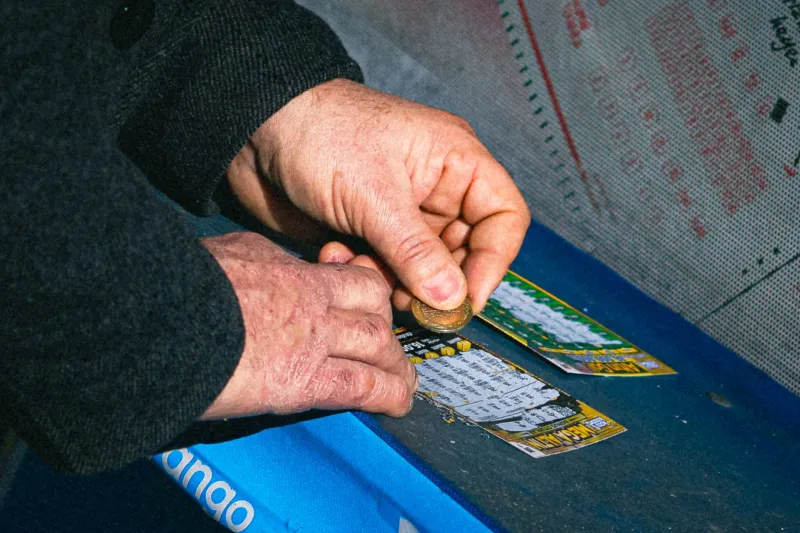
There is a particular joy in the scratch itself: the little coin, the grey dust, the slow reveal. The bit where your pulse rises because something exciting might be underneath. This guide keeps the first part and gently removes the second. We are making DIY joke scratchcards, where the hidden prize is a punchline, a daft compliment or a very specific promise involving biscuits. No stake, no odds, no need to check the small print with a magnifying glass and a cup of tea.
Think of it as craft night with a punchline problem. It is ideal for birthdays, tea breaks, rainy Sundays and any occasion when someone has said they do not want a present but you suspect they simply mean they do not want a lamp shaped like a flamingo.
Why scratch a joke instead of a cash amount?
The scratchcard ritual is oddly satisfying even when nothing happens. The trouble is that real scratchcards are gambling products, however small the stake. Homemade joke cards borrow the theatre and leave the chance behind. You still get the suspense, the metallic shavings and the ceremonial coin. You just replace the prize with something like: Your brew-making skills are officially national treasure material.
This is also a very British way to be sentimental without making eye contact. A homemade card that reveals the words You are my favourite person to sit in comfortable silence with is basically a hug in stationery form. It belongs in the existing grand tradition of pretending we are not being affectionate while being extremely affectionate.
The high-street kit list
You do not need much, and nothing needs to be ordered from a specialist website with a three-week delivery estimate. Most of this is available from a supermarket, a stationery shop or the back of a kitchen drawer that has been quietly hoarding craft supplies since 2019.
- Blank card or thick paper, cut to roughly business-card size or a little larger.
- Metallic acrylic paint, silver or gold, because it looks pleasingly official.
- Washing-up liquid. Yes, really. About one part liquid to two parts paint helps the scratch layer behave.
- A small brush or sponge.
- Low-tack tape or a paper rectangle to mask the area where the joke will go.
- A coin, a hairpin or the edge of a teaspoon for scratching. The teaspoon is traditional and has excellent comedy energy.
- A fine-liner pen for the joke and any decorative nonsense around the edges.
A note on making it look good: it does not need to look good. The charm of a homemade scratchcard is that it looks like it was made by someone who once watched a Blue Peter craft segment and then got distracted by a biscuit. That is part of the appeal.
The method, in five gloriously low-stakes steps
- Write your joke or message in the centre of the card. Leave a small border so the scratch layer has something to cling to.
- Cover the joke area with a piece of low-tack tape, or draw a rectangle and carefully paint around it. If using tape, press it down firmly so paint does not sneak underneath.
- Mix your metallic paint with a drop of washing-up liquid. Stir until it looks like something from a very small alien landscape.
- Paint over the tape or rectangle in thin layers. Two or three coats is usually enough. Let each coat dry properly, which is the hardest instruction in any craft guide because patience is not a British strength.
- Peel away the tape once everything is dry. Write a tiny instruction on the card: Scratch here for a joke. Maybe add a little arrow so nobody tries to scratch the cat.
Test one card before handing them out. If the paint flakes off in one dramatic sheet, add a little more washing-up liquid next time. If it refuses to scratch at all, you have invented a very secure jotting card. Congratulate yourself and try again.
Five joke formats that earn their keep
1. The birthday near-miss
Write: You have not won a yacht. But you have won the right to choose the next takeaway. Scratch to reveal: Please choose something that is not just chips with a side of chips.
2. The tea-break fortune
Write: Your future contains a hot drink and a small moment of peace. Scratch to reveal: The kettle is already on. This one works best when it is true, or when you are prepared to make it true within four minutes.
3. The office fridge warning
Write: Congratulations. You have won the moral high ground. Scratch to reveal: The milk in the fridge has been there since Tuesday. Proceed with caution and a strong sense of civic duty.
4. The pub-quiz pep talk
Write: Your general knowledge is about to be tested. Scratch to reveal: If in doubt, say the name of a king. It is historically accurate more often than you would think.
5. The deeply specific thank-you
Write: You have won a favour of equal or lesser value. Scratch to reveal: One lift to the tip, valid for one month, no questions about the suspiciously large cardboard box.
How to hand them out without causing a scene
Keep the cards small, keep the stakes clear and keep the tone silly. Say: It is a joke scratchcard, not a lottery ticket. The only thing you can win is a mild laugh. If you are giving them at a party, leave a small pile next to the crisps with a sign that says Scratch responsibly. There are no prizes, only puns.
For a tea break, hand one to each person and let them scratch in silence for exactly seven seconds. The silence is part of the fun. It feels like a tiny game show, if the game show had a budget of £3.50 and was hosted by someone in a cardigan.
The responsible-play bit, kept light but not skipped
This craft is deliberately non-gambling. Nothing is staked, nothing is won and nobody is encouraged to chase a loss with a second card. That is the point: you can enjoy the scratch ritual without turning it into a bet. If you do also enjoy real scratchcards, keep it low-stakes and within your means, check the rules, and remember that the odds are not improved by wearing lucky socks. The DIY version exists precisely so the fun stays crafty, cheap and entirely on the safe side of the kitchen table.
So gather the paint, the coin and the biscuit tin. Make a few ridiculous cards. Hide a punchline under a smear of silver. Then watch someone scratch it, read it and groan in the way that only a truly good joke can produce. That is the real prize, and it costs almost nothing.